See how telematics data helps fleet operators reduce costs, strengthen safety and stay compliant — whatever your mix of vehicles.
If you manage vehicles for a living, you’ve almost certainly heard the word “telematics” thrown around in meetings, supplier pitches, and industry articles. But what does it actually mean, and why has it become such a central part of modern fleet operations? This guide breaks it down in plain terms — what telematics is, how it works, and how fleet managers put it to use day to day.
What is telematics?
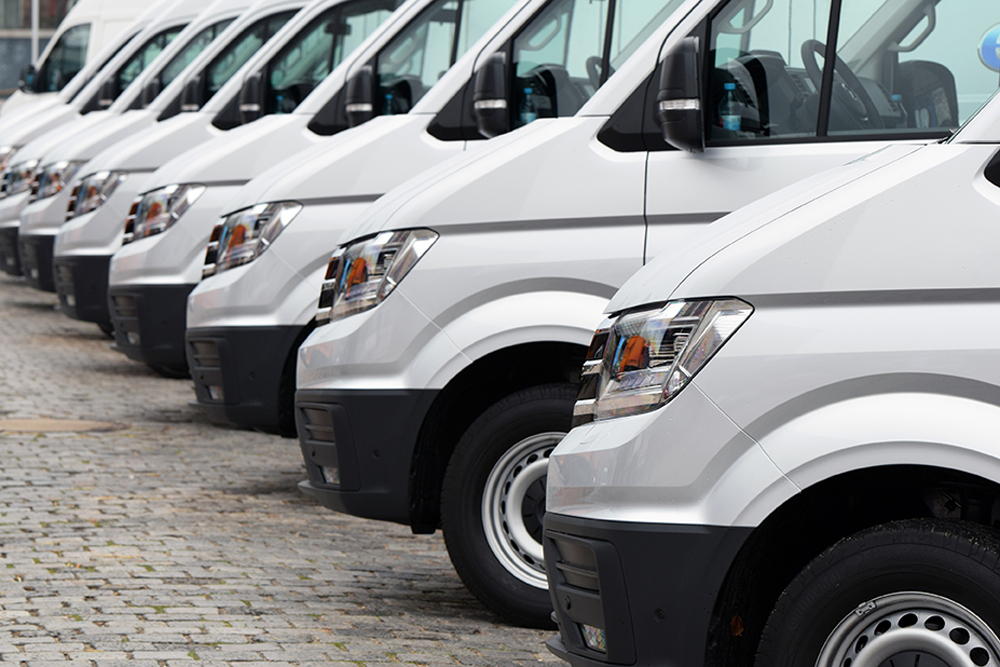
Telematics combines two ideas: telecommunications (sending information over a distance) and informatics (using computers to process and interpret data). Put simply, telematics is the technology that lets you monitor a vehicle — or an entire fleet of vehicles, vans, trucks and other mobile assets — remotely, in real time.
It’s sometimes referred to as fleet tracking or GPS vehicle tracking, but modern telematics goes well beyond a dot on a map. Today’s systems capture everything from location and speed to engine health, driver behaviour and fuel use, then present it in dashboards and reports that fleet managers can act on.
How does telematics work?
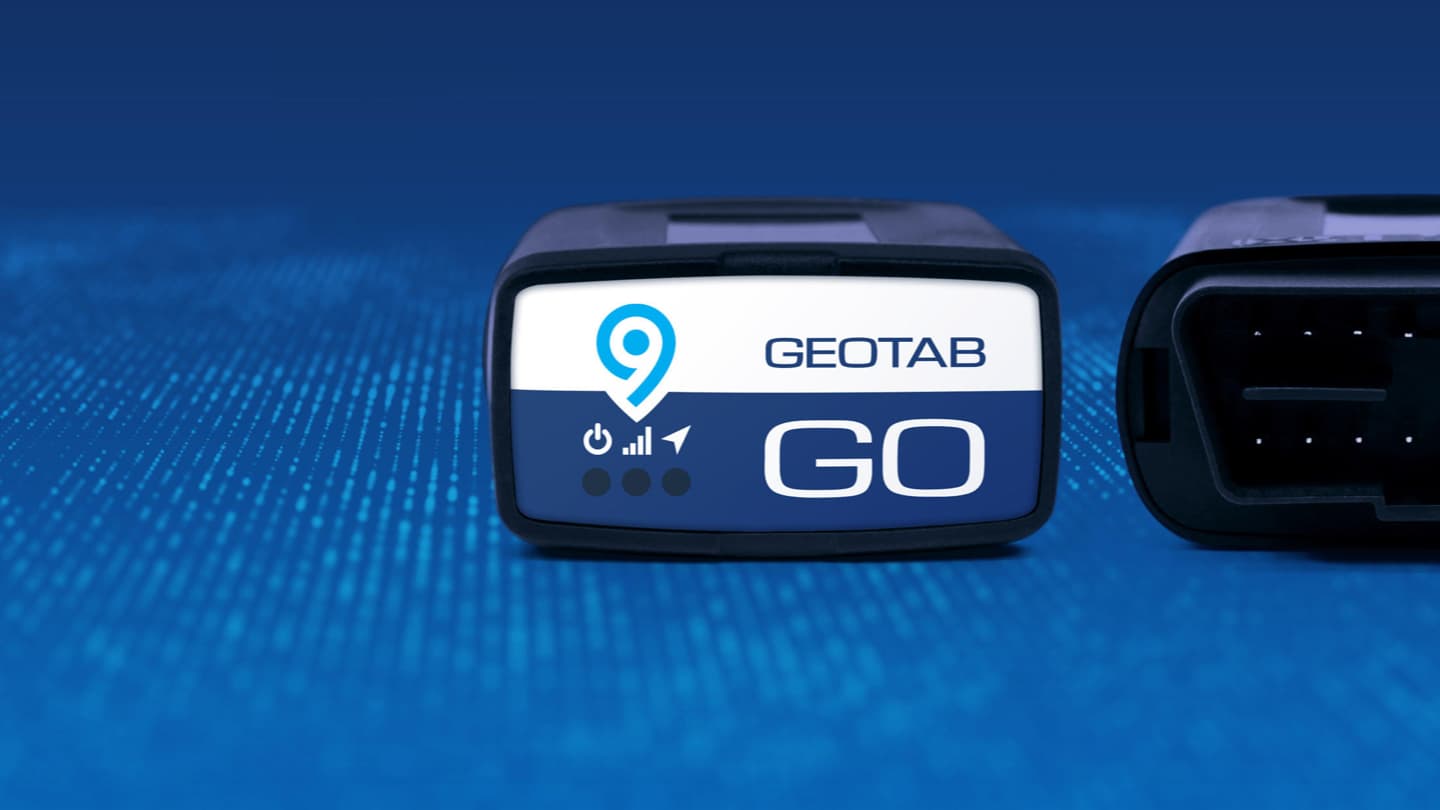
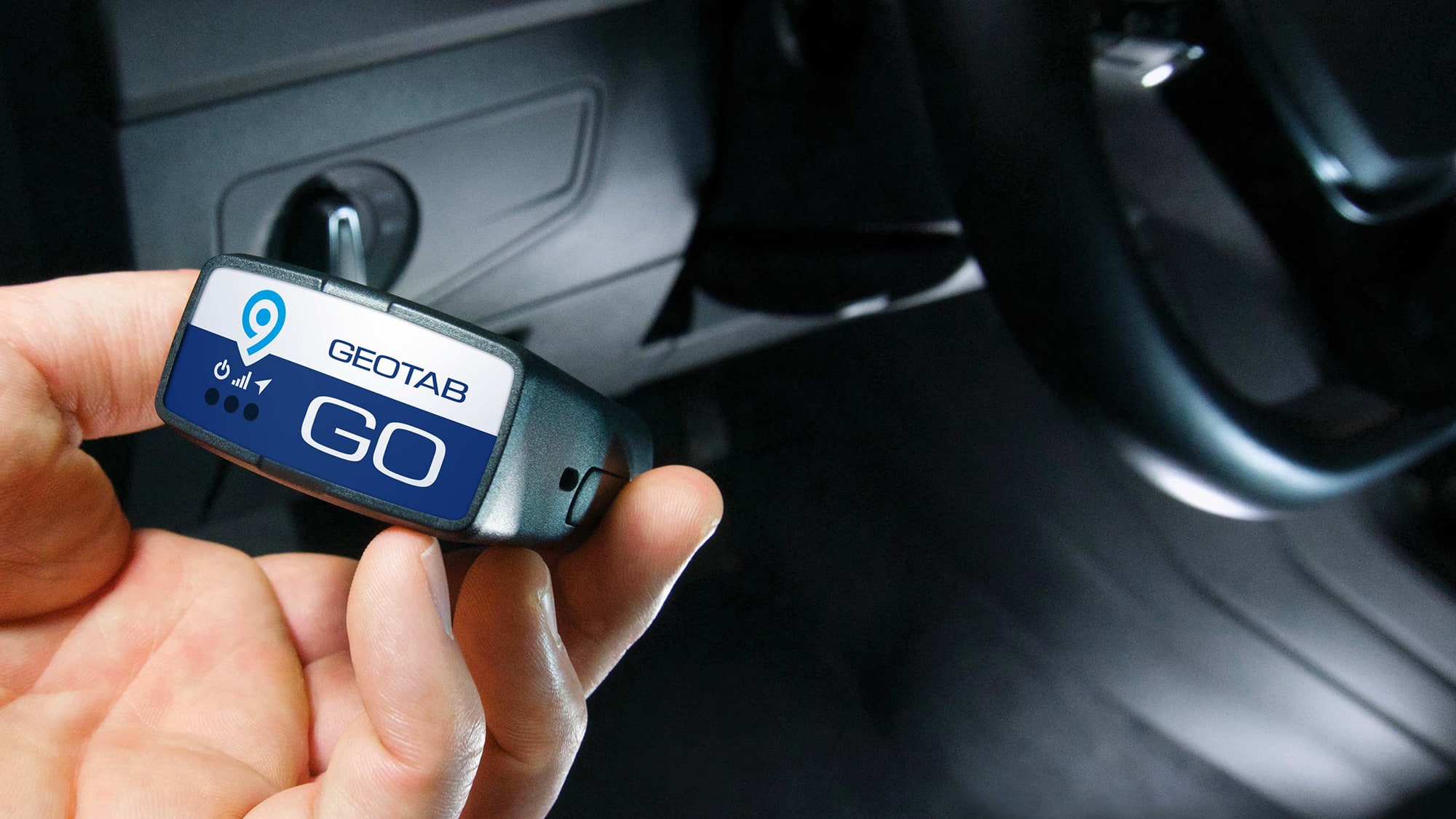
At its core, a telematics system relies on a small onboard device — often called a “black box” — that plugs into a vehicle’s diagnostic port (OBD-II or CAN-bus, depending on the vehicle type). This device pulls data directly from the vehicle’s systems and uses a built-in SIM and modem to transmit it securely to a cloud-based fleet management platform.
From there, fleet management software takes over: decoding the raw data, turning it into readable reports and dashboards, and flagging anything that needs attention through alerts and notifications. The best platforms also apply data analytics to go a step further — helping fleets benchmark their performance against similar operations, or spot vehicle health issues before they turn into breakdowns.
The data journey, in short:
- Vehicle activity is captured by the onboard telematics device
- Data is transmitted wirelessly to the fleet management platform
- The software processes and visualises the data
- Fleet managers receive reports, alerts and insights they can act on
What data does telematics actually collect?
Depending on the hardware and sensors connected, a telematics system can capture a wide range of information, including:
- GPS location and route history
- Vehicle speed
- Trip distance and duration
- Idling time
- Driver behaviour — harsh braking, acceleration and cornering
- Seatbelt usage
- Fuel consumption
- Fault codes and vehicle diagnostics
- Battery voltage and other engine data
- EV-specific metrics, such as state of charge and charging status
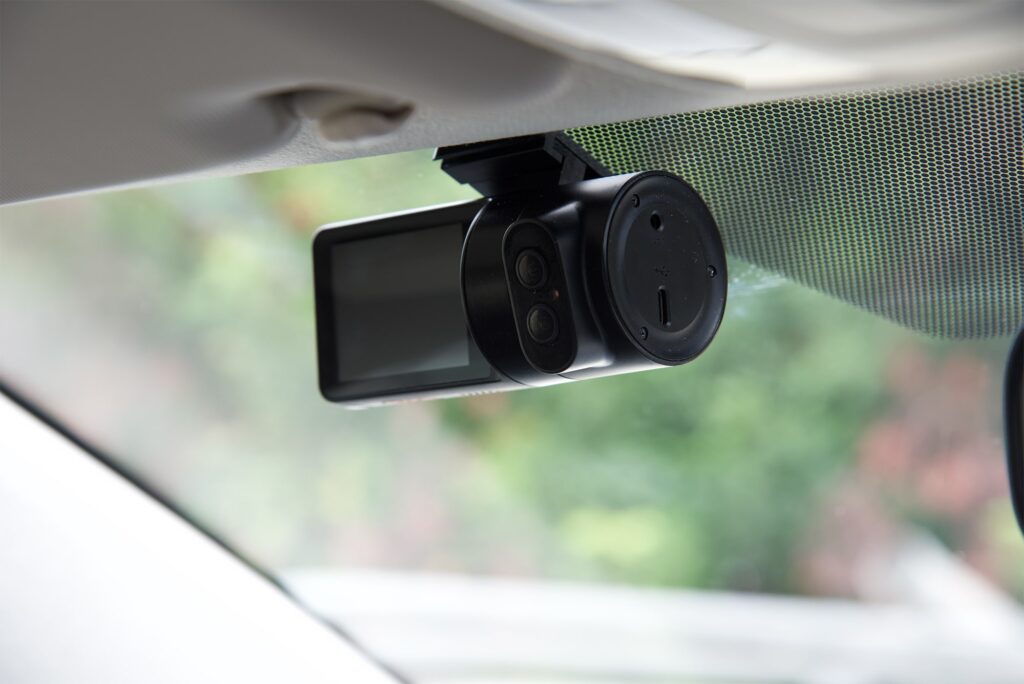
Many fleets now pair telematics with dash cameras, creating what’s known as video telematics. Combining location and driving data with video footage gives managers far richer context around safety events — and with AI-enabled cameras, drivers can get real-time in-cab feedback to correct risky habits before they become costly ones.
How is telematics used in fleet management?
Telematics data touches almost every part of fleet operations. Here’s how fleet managers typically put it to work:
Productivity — Real-time GPS tracking, trip reporting and smarter routing and dispatching help teams get more done with the vehicles they already have, and keep customers better informed along the way.
Driver safety — In-cab coaching, driver behaviour reporting, collision alerts and AI-powered dash cameras all help build a stronger safety culture and reduce risk on the road.
Fleet optimisation — Predictive maintenance and remote diagnostics help catch problems early, while fuel management tools identify idling and other habits that quietly inflate running costs.
Compliance — A single view of tachograph data, duty of care obligations, working time rules and vehicle checks makes it far easier to stay on the right side of regulation — and to prove it, if ever asked.
Integration — Telematics rarely works in isolation. The most effective fleets connect it with other systems, from dash cam platforms to CRM and ERP software, so data flows freely instead of sitting in silos.
Sustainability — By reducing fuel consumption and emissions, telematics also supports fleets on the road to electrification — and helps manage EVs effectively once they’re on the road.
Benefits of telematics for larger fleets
The value of telematics scales with fleet size. For operations running significant numbers of vehicles, a good telematics platform can deliver:
- Greater efficiency — Reports and dashboards consolidate data from across the whole fleet, so managers can make faster, better-informed decisions instead of chasing information vehicle by vehicle.
- Improved vehicle safety and availability — Monitoring diagnostic trouble codes lets workshops act on minor issues before they become safety risks or costly breakdowns.
- Lower operating costs — Better visibility of fuel use and maintenance needs helps reduce two of the biggest line items in any fleet budget, while improving vehicle uptime.
- Stronger customer service — More reliable routing and better vehicle availability translate directly into more accurate ETAs and a better experience for the people your fleet serves.
How telematics supports fleet electrification
Electrifying a fleet is one of the biggest operational decisions many organisations will make, and telematics data plays a central role at every stage.
Before the transition, telematics helps build the case for electrification by revealing:
- Daily mileage per vehicle
- Dwell time and location patterns
- Route consistency
- How vehicles are actually being used day to day
This data allows fleet managers to plan a phased rollout with confidence — matching the right EVs to the right routes and duty cycles, rather than guessing.
After the transition, EVs typically need closer monitoring than diesel or petrol vehicles to get the most out of them. Key metrics to keep an eye on include:
- State of charge
- Charging behaviour and patterns
- Energy efficiency
- The impact of temperature on range
- Battery health over time
How to choose a telematics provider
Not all telematics platforms are built the same way, and the right choice depends on what your fleet actually needs. A few things worth weighing up:
Does it match your operational priorities? Some platforms are built primarily around safety, others around maintenance, compliance or asset visibility. Be clear on what problem you’re solving first.
What does onboarding and support look like? A telematics system only delivers value once your team is using it properly and consistently. Strong implementation support makes the difference between a smooth rollout and a stalled one.
What’s the real return on investment? The cheapest monthly rate doesn’t always represent the best value. Look at the outcomes a platform helps you achieve — reduced risk, better asset health, fewer breakdowns — rather than price alone.
Can it grow with you? Your fleet’s needs will change as it grows or evolves. Look for a platform built on an open architecture, with the flexibility to add integrations, customise dashboards and adjust rules as your operation changes — without being locked in.
Why fleets choose LEVL for telematics
As a Geotab Elite Specialised Partner, LEVL combines the reach and reliability of Geotab’s global telematics platform with the hands-on, UK-based support that fleet managers actually need day to day.
We work with fleets of every size and sector — from logistics and retail to construction and passenger transport — helping them turn telematics data into practical decisions around safety, compliance, fuel use and vehicle uptime. Whether you’re just starting to explore telematics or looking to get more value from an existing system, our team is on hand to help you build a platform that fits how your fleet actually operates — including support for fleets transitioning to electric vehicles.
Want to see what telematics could do for your fleet? Get in touch with the LEVL team to talk through your requirements.