10 questions every UK fleet manager should ask before choosing a telematics partner

Choosing a vehicle tracking provider is one of the higher-stakes procurement decisions a UK fleet will make this year. The wrong system locks you into a contract that delivers location dots on a map and nothing more. The right one gives you real-time safety data, GPS accuracy you can trust, and intelligence to act before problems become costs.
LEVL Telematics draws on over 50 years of fleet management expertise, and the criteria below reflect the questions that actually matter when comparing providers.
This article sets out 10 questions to put to any provider on your shortlist. Each one is designed to surface gaps in capability, coverage, or service commitment before you sign.
Key Takeaways
‣ GPS reporting frequency determines whether your data reflects real driving conditions or just rough estimates.
‣ Ask about driver safety features – tracking location alone won’t reduce your incident rate.
‣ Confirm whether the platform supports mixed and electric fleets on a single dashboard from day one.
‣ LEVL Telematics delivers fleet intelligence through Geotab, covering ICE, hybrid, and 260+ EV models.
‣ Contract flexibility, data ownership, and integration capability should all be confirmed in writing before commitment.
Essential Questions for Evaluating a UK Vehicle Tracking Provider
1. What is your GPS reporting frequency?
Reporting frequency controls how accurately your platform reflects real vehicle movement. A provider reporting every 60 seconds will miss short stops, route deviations, and speeding events lasting under a minute.
Ask for the exact interval. Geotab technology records data every second, capturing braking, cornering, and speed changes with the precision your workshop and insurance team need to act on. If a provider can’t verify their frequency in a live demo, treat it as a warning sign.
2. How does the platform support driver safety?
A tracking system that only tells you where vehicles are isn’t a safety tool. You need to know what your drivers are doing, and whether the platform intervenes in the moment or just records events after the fact.
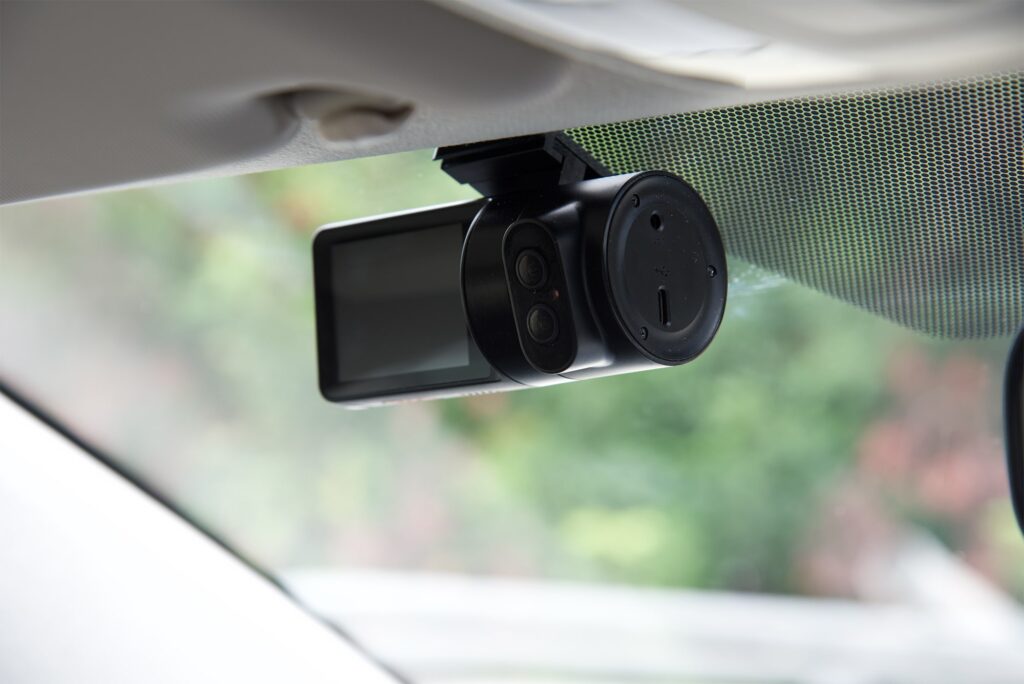
Ask whether the system offers real-time in-cab alerts for speeding, harsh braking, seatbelt violations, and fatigue. LEVL Telematics’ AI camera systems coach drivers in real time, contributing to reduced incident frequency for customers like HATS Group.
3. Do you support electric and mixed fleets?
If you’re running ICE vehicles today and planning to transition even a handful to electric, your provider needs to handle both on one platform. Many systems were built for diesel fleets and bolted on EV features as an afterthought.
Ask how many EV makes and models the platform supports natively, and whether you can view energy consumption, state of charge, and charging behaviour alongside your ICE data. A platform that treats EVs as a separate workflow will double your admin as your fleet transitions.
4. What data do I actually own?
Your fleet data has commercial value – it informs insurance negotiations, compliance reporting, route optimisation, and long-term planning. Before signing, ask who owns the data you generate and what happens to it if you leave.
Confirm whether you can export historical data in an open format, and check for proprietary file types or exit fees. Your data should move with your business, not stay locked in a system you no longer use.
5. How reliable is your GPS coverage across the UK?
Urban canyons, rural valleys, and underground loading bays all test GPS reliability. A provider may perform well on motorways and fail exactly where your vehicles spend most of their working day.
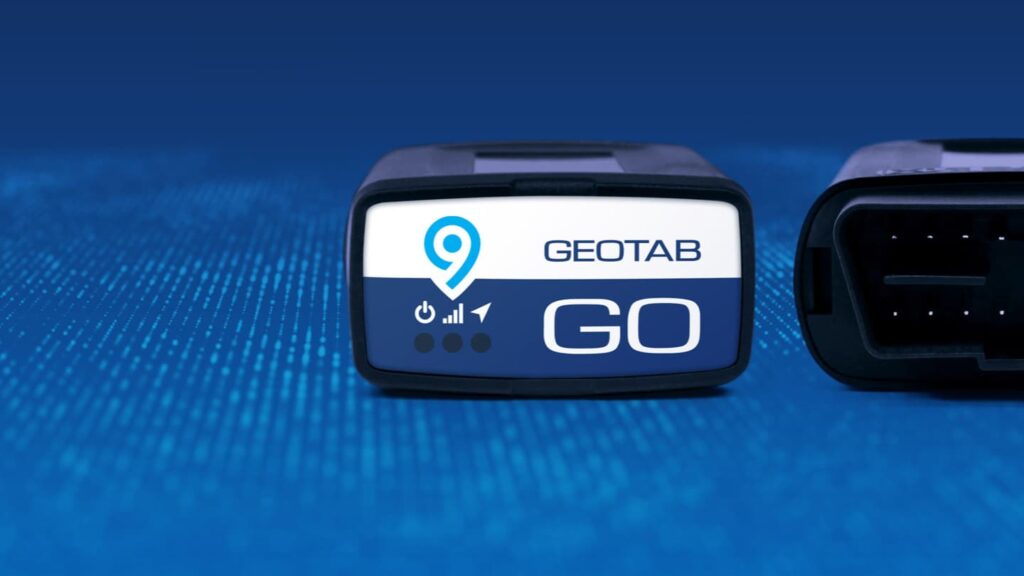
Ask for UK-specific coverage data, and whether the device keeps recording when satellite signal drops. The Geotab GO device, fitted by LEVL’s fleet team, starts recording the moment a journey begins and keeps logging in low-signal areas, so your data has no gaps when you need it most.
6. Can the system integrate with our existing tools?
Your fleet already runs fuel cards, workshop scheduling, HR platforms, and possibly a routing solution. A tracking provider that sits in isolation just creates another tab to switch between and another manual data entry task for your team.
Ask about API integrations and documented connectors for your existing systems. LEVL Telematics connects fuel cards, fleet management platforms, and third-party tools into one operational view, cutting the time your team spends reconciling data across disconnected sources.
7. What does your installation and onboarding process look like?
A device that takes weeks to fit across your fleet costs you downtime and delays your return on investment. Ask the provider to walk you through the full installation timeline for your fleet size, vehicle mix, and depot scheduling requirements.
Confirm whether the provider manages the complete rollout, or expects your workshop to handle fitting and configuration. LEVL Telematics coordinates professional installations across multiple sites, configuring the platform to your reporting needs before your first vehicle leaves the depot.
8. How do you handle compliance and regulatory reporting?
UK fleet compliance isn’t optional. DVSA enforcement, Operator Compliance Risk Scores, tachograph management, and the Direct Vision Standard all place specific demands on your data. Per the DVSA guide to maintaining roadworthiness, operators must keep documented safety inspection records for at least 15 months.
Ask whether the platform captures the data fields your compliance team needs, and whether reports can be automated. A system that requires manual report building for every DVSA audit is one your team will outgrow fast.
9. What are your contract terms and scalability options?
Fleet sizes change – vehicles get added, sold, replaced, or moved between depots throughout the year. Your contract should accommodate that without financial penalty or operational delay.
Ask about minimum terms, early termination conditions, and whether you can add or remove vehicles mid-contract. Confirm the hardware warranty and who covers replacement costs. The Geotab GO device, deployed by LEVL, comes with a limited lifetime device warranty and a service level agreement guaranteeing 99.5% uptime – reducing the risk of unexpected costs as your fleet scales or transitions
10. Can I see evidence from fleets like mine?
Any provider can promise results – fewer can show documented outcomes from a fleet of similar size, vehicle type, and industry to yours. Ask for named case studies with quantified metrics, not anonymised testimonials or generic marketing claims.
LEVL Telematics publishes detailed case studies from real UK fleets. HATS Group, operating over 1,000 patient transport vehicles, achieved a 78% reduction in road traffic incident frequency and a 96% drop in incident costs after deploying Geotab telematics and camera technology through LEVL.
How to Shortlist the Right Vehicle Tracking Provider for Your Fleet
The questions above separate providers who deliver operational intelligence from those who track location and nothing else. Your fleet’s safety record, insurance costs, and compliance standing all depend on the answers you get.
LEVL Telematics gives UK fleet managers a single connected platform built on Geotab – GPS tracking, AI video intelligence, driver coaching, and EV fleet management in one view. If you’re evaluating providers, book a demo with the LEVL team to see how your data translates into operational decisions.
FAQs
How often should a GPS tracking device report data? One-second reporting gives the most accurate picture of driver behaviour, route adherence, and speed events. Devices reporting every 30 or 60 seconds miss short incidents that still carry insurance and safety consequences.
What safety features should I expect from a vehicle tracking provider? Real-time driver alerts for speeding, harsh braking, and distraction events. LEVL Telematics delivers AI-powered in-cab coaching that intervenes in the moment, helping reduce incident rates before claims are filed.
Can vehicle tracking help reduce fleet insurance premiums? Yes. Telematics data and camera footage give insurers verified evidence of driver behaviour and incident circumstances. LEVL Telematics customers have seen up to 20% savings on annual insurance premiums by combining telematics with AI camera systems.
Do I need a separate platform for electric vehicles? No. Your provider should support ICE, hybrid, and electric vehicles on the same dashboard. LEVL Telematics monitors over 260 EV makes and models on the Geotab platform, giving you energy consumption, charging data, and range analysis alongside your existing fleet.
What should I check about data ownership before signing a contract? Confirm in writing that you own the data your fleet generates and that you can export it in an open format if you switch provider. Providers who restrict access or charge exit fees limit your flexibility and bargaining position at renewal.
How long does it take to install tracking across a UK fleet? Timelines vary by fleet size and vehicle type. LEVL Telematics manages the full process, from hardware specification to platform configuration, coordinating multi-site rollouts that minimise vehicle downtime and get your team reporting from day one.