With diesel at a record £2 a litre, every wasted mile hurts. Here’s where spreadsheet-run fleets leak time and money

The spreadsheet that quietly runs your business
For a business running vans, every wasted litre now costs more than it ever has. And a spreadsheet can’t tell you where those litres are going.
Most small fleets start the same way. A few vans, a shared spreadsheet, and someone in the office who knows which tab holds the MOT dates.
It works, until it doesn’t. A customer rings for an arrival time and nobody knows where the van is. A service date slips because the cell wasn’t updated. A fuel bill lands that nobody can explain.
None of these feel like a crisis on their own. Together, they are a steady leak of time, money and risk. This post looks at where that leak comes from, what LEVL customers achieved by fixing it, and what moving to connected fleet tracking with LEVL actually involves.
Why spreadsheets break as your fleet grows
A spreadsheet only knows what someone typed into it, and only as of the moment they typed it. That is fine for five vehicles and one office. It falls apart once jobs, drivers and sites multiply.
Three problems show up first:
- It’s always looking backwards. You find out a van sat idle all morning when the timesheet comes in, not while there’s still time to re-route it.
- It lives in one person’s head. When the person who maintains it is off sick or leaves, the knowledge goes with them.
- Nobody trusts the version. Copies get emailed, edited and saved over. By Friday there are three “final” files and none of them agree.
The result is a business that makes daily decisions on yesterday’s information.
The costs a spreadsheet can’t see
The biggest costs of manual tracking never appear as a line on the spreadsheet itself. They hide in the gaps between what happened and what got recorded.
| Hidden cost | What it looks like day to day | What telematics changes |
|---|---|---|
| Dead time | Vans waiting on site, long lunches, drivers crossing paths | Live location and trip history show where hours go |
| Fuel waste | Engines idling, indirect routes, unexplained top-ups | Idling and route data flag the worst offenders |
| Missed maintenance | A service date lost in a cell, a breakdown mid-job | Automatic reminders based on actual mileage and engine data |
| Disputed hours | “I was on site at 8” versus the customer’s version | Time-stamped arrival and departure records |
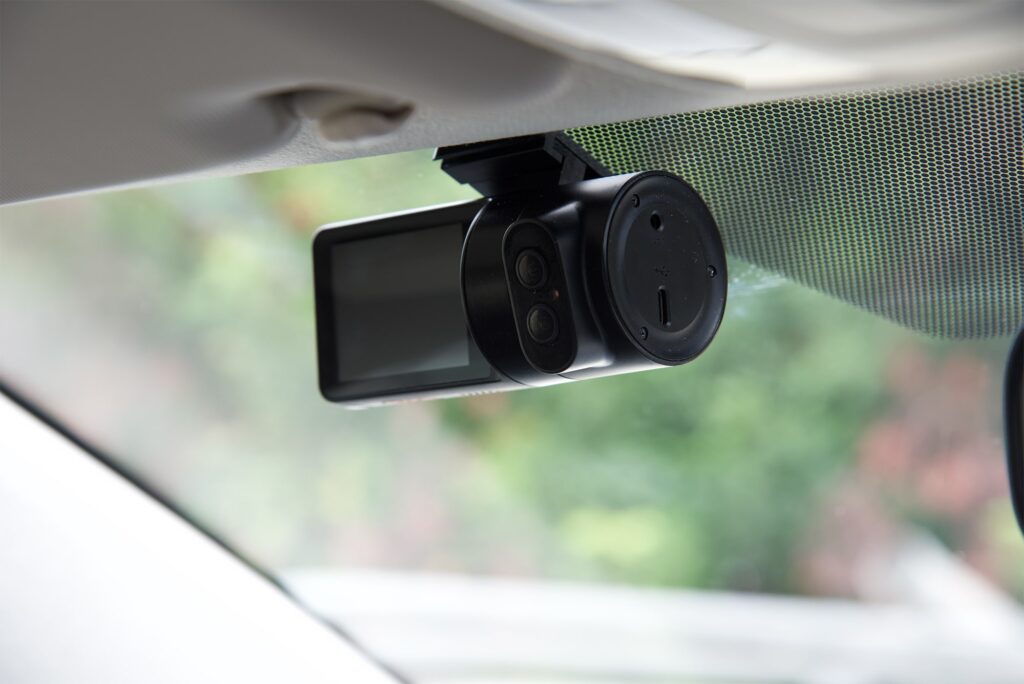
| Claims and incidents | Your word against theirs after a collision | Trip data and AI dash cam footage as evidence |
| Admin time | Hours each week chasing paperwork and updating cells | Reports built automatically, ready when you need them |
Each one is small. Across a full fleet and a full year, they add up. Here’s what happened when LEVL customers closed the gaps:
| Customer | Fleet | Results |
|---|---|---|
| Milk & More | 970 vehicles, mixed EV and diesel | Over £2m a year saved in fuel costs, 1.8 million litres of diesel saved a year, 21% fewer speeding incidents |
| HATS Group | 880 vehicles, patient transport | 78% fewer road traffic incidents and 96% lower incident costs in a 13-vehicle trial, 74% fewer seat belt violations |
| The Bradfords Group | 700 vehicles, building supplies | 2–4% reduction in fuel costs, with continued improvement |
If you run a small fleet, the HATS trial is the one to note. It covered just 13 vehicles. Over four months, incidents fell from 18 to 4 and the cost to their insurer dropped from £30–35k to around £1,500.
Evidence also changes the outcome of claims. When a HATS vehicle was involved in a collision with a motorbike, dash cam footage turned a likely at-fault decision into split liability.
Compliance: proving it, not just recording it
A spreadsheet can say a check was done. It struggles to prove it. When the DVSA, an insurer or a client’s procurement team asks for evidence, “it’s in the sheet” is a weak answer.
For small operators, compliance usually means a handful of recurring jobs:
- Daily vehicle walkaround checks, with defects reported and fixed
- Drivers’ hours and, where relevant, tachograph records
- Service, MOT and inspection intervals that match your operator licence commitments
- Duty of care for staff who drive for work, including grey fleet
Connected telematics turns these from chasing paper into records that build themselves. Drivers complete checks in an app, defects reach the right person straight away, and reports are ready for an audit without a weekend of digging. See how LEVL supports fleet compliance.
“We’re too small for telematics” and other myths
Most small fleets stay on spreadsheets for one of three reasons. None of them hold up well.
“It’s only worth it for big fleets.” Telematics scales down. A business with a handful of vans feels every wasted hour more sharply than one with hundreds, so the case often lands faster.
“It’ll take months to set up.” With the right partner, devices go in quickly and around your schedule. HATS Group’s vehicles run 24/7 in hospital settings, yet LEVL’s technicians worked around driver shifts so the installation caused no downtime. LEVL then handles setup and training so your team isn’t left to work it out alone.
“My drivers will hate being watched.” Good telematics protects drivers as much as it manages them. The Bradfords Group saw little driver pushback once the team explained that the data protects drivers too. It proved the point when trip data showed a truck was unladen and couldn’t have struck a railway bridge, clearing the driver and saving the company the full damage bill. Bring drivers in early and explain what’s tracked and why.
What switching looks like with LEVL
LEVL is the UK’s No.1 Geotab value-added reseller and a Geotab Elite Specialised Partner, trusted by hundreds of UK fleet managers. You get a proven global platform, set up and supported by a UK team, with ROI typically proven within six months.
- Fleet review. We look at your vehicles, jobs and pain points, and agree what good looks like.
- Installation. Devices are fitted around your working day to keep vans on the road.
- Setup and training. We configure reports, alerts and checks around how you actually work, then train your team.
- Ongoing support. A UK team on hand as you grow, whether that’s adding AI cameras, improving driver behaviour or planning your EV transition.
As Martin Caddick, Head of Transport at The Bradfords Group, puts it: “LEVL are always there and willing to help tailor the system to our needs.“
You keep the simplicity of one place to look. You lose the guesswork.
Five signs you’ve outgrown the spreadsheet
If two or more of these sound familiar, it’s time to look at the alternative.
- You can’t tell a customer where their van is without ringing the driver.
- A service, MOT or inspection has slipped through in the last year.
- Fuel spend keeps rising and you can’t say why.
- Timesheets and job records regularly don’t match.
- One person is the only one who really understands the fleet file.
Find out what your spreadsheet is really costing you. Take the Fleet Spreadsheet Cost Check. It takes two minutes and gives you an estimate of the hidden cost across your fleet, plus a personalised report.
Prefer to talk it through?