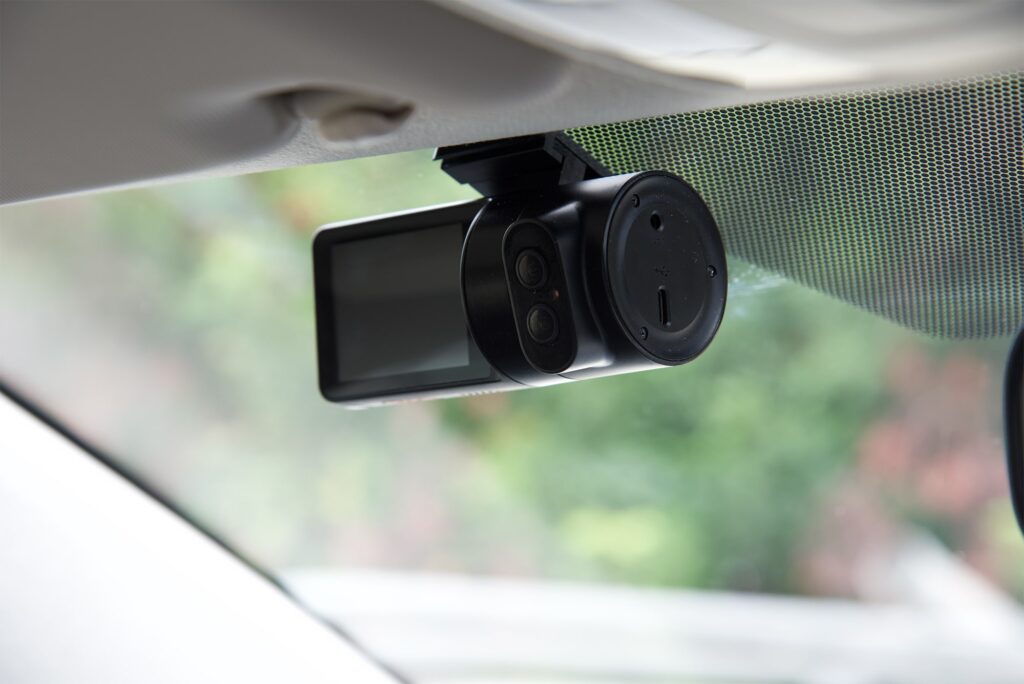
Predictive maintenance alerts are only half the story. See how agentic AI and the Geotab MCP Connector turn fault data into action for UK fleets.

Predictive maintenance was never the finish line – here’s what comes after the alert?
A fault alert three weeks before a breakdown is useful. A fault alert three weeks before a breakdown, automatically matched to your nearest off-peak service slot and cross-checked against the vehicle’s job schedule, is a different thing entirely.
That’s the distinction Geotab’s Abhinav Vasu draws in a recent post on predictive maintenance and agentic AI, and it’s one worth sitting with – because most fleets, even ones already running telematics, are still only halfway to what predictive maintenance fleet AI can actually deliver.
The alert was never the hard part
Ask any fleet operator what keeps them up at night and the answer is almost always unplanned downtime. Ask how much warning they had before their last breakdown, and the answer is usually none.
Predictive fleet maintenance closes that gap – an anomaly in engine or component data gets flagged weeks before it becomes a roadside failure. That part of the technology has matured. What hasn’t matured, in most fleets, is what happens after the alert lands.
Vasu’s point is that the real value only shows up once warnings are reliable enough to plan around:
- Vehicles come into the workshop on a schedule, not in an emergency callout on a Wednesday morning.
- Service centres work from a forward-looking queue instead of firefighting.
- Leasing companies price total cost of ownership against actual fault data rather than fleet-wide averages.
None of that requires new hardware. It requires trusting the data enough to change how the fleet operates around it and that’s the harder, slower shift.
What “acting on it” actually looks like
The next step Geotab describes isn’t just detection – it’s a system that finds the nearest available slot, checks it against the vehicle’s operational calendar, and hands the fleet manager a completed recommendation rather than a raw alert. The manager still makes the call. The system has already done the legwork.
This is where the Geotab MCP Connector comes in. It’s a live bridge between fleet data and the AI tools fleet managers are already using day to day, ChatGPT, Claude, Microsoft Copilot, so operational questions, alerts, and maintenance scheduling can be handled from inside those tools, without the underlying data ever leaving the Geotab platform.
LEVL is a Geotab MCP Connector launch partner, which means we’ve been working with this capability from the start – not as a slide in a roadmap deck, but as something we’re actively building into how our customers manage their fleets.
The foundation that makes any of this work
There’s a line in Vasu’s piece that’s easy to skim past: the fleets getting the most from this aren’t waiting for the technology to mature – they’re investing now in clean, well-connected data. That’s the unglamorous prerequisite behind every AI capability in this space. A recommendation engine is only as good as the data feeding it; noisy or fragmented data produces noisy or fragmented recommendations, agentic or not.
That’s also, not coincidentally, where a lot of our work with fleets starts – getting devices, data feeds, and workflows properly connected before layering anything more advanced on top.
Where this leaves fleet managers today
You don’t need to have an AI strategy to benefit from this shift. You need:
- Telematics data that’s actually clean and complete across the fleet.
- Maintenance alerts that are trusted enough to schedule around, not just noted and ignored.
- A partner who understands how the next layer – agentic tools like the MCP Connector – plugs into what you already run.
If you’re curious what the MCP Connector looks like in practice for a UK fleet, or want a straight assessment of how ready your current data setup is for it, get in touch with LEVL – we’re happy to walk through it.
Source: Abhinav Vasu, “The failure you didn’t predict is more than a repair bill,” Geotab Blog, 18 August 2026.