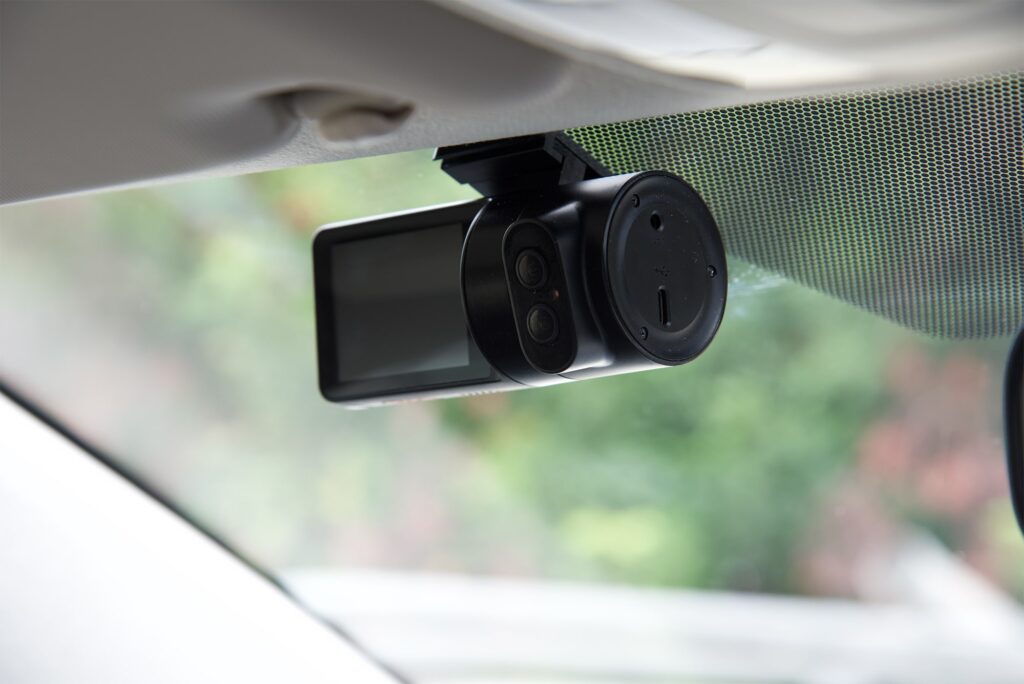

Predictive maintenance uses real-time telematics data to spot vehicle faults before they cause breakdowns, so repairs get scheduled on evidence, not a fixed calendar.

If your workshop still books vehicles in on a fixed interval, you’re likely paying twice: once for the healthy vehicles serviced early, and again for the faults that develop between scheduled visits and turn into breakdowns anyway. Predictive maintenance closes that gap by using what the vehicle is actually telling you, in real time.
What is predictive maintenance for fleets?
Predictive maintenance (PdM) is a data-led approach to vehicle servicing. Instead of following a fixed mileage or time-based schedule, telematics hardware continuously monitors vehicle health – engine diagnostics, fault codes, tyre pressure, wheel alignment and usage patterns and surfaces developing issues through dashboards and alerts in your fleet management software.
It’s the third and most advanced stage in fleet maintenance strategy:
| Maintenance type | How it works | Downtime | Cost profile |
|---|---|---|---|
| Reactive | Repairs happen after a breakdown or fault | Highest – parts ordered urgently, vehicle off the road until fixed | Highest – emergency repairs, hire cover often needed |
| Preventive | Vehicles serviced on a fixed schedule (age, mileage, duty cycle) | Lower – assuming intervals are correctly set | Lower – but faults between services still cause reactive spend |
| Predictive | Real-time data flags developing faults before failure | Lowest – parts and labour planned in advance | Lowest – servicing based on actual need, not a fixed date |
How does telematics data enable predictive maintenance?
A telematics device fitted to each vehicle captures a continuous stream of diagnostic trouble code (DTC) data, giving the workshop visibility into:
- Engine diagnostics and fault codes
- Tyre pressure and wheel alignment
- Usage patterns and duty cycle
- Battery and charging health (for EVs)
This data flows into a fleet management platform like MyGeotab, where it’s translated into dashboards and alerts the workshop can act on directly – rather than waiting for a driver to flag a warning light, or for the next scheduled inspection to catch it.
The benefits of predictive maintenance for large fleets
For fleets running over 100 vehicles, the shift from preventive to predictive maintenance changes how the whole workshop operates:
- Less unplanned downtime: faults are flagged in advance, so parts and workshop time can be scheduled rather than found in an emergency
- Lower maintenance costs: servicing is based on actual vehicle condition, not an arbitrary interval, cutting both over-servicing and emergency repair costs
- Improved safety: minor issues are caught before they become safety-impacting faults or DVSA compliance risks
- Better fuel and energy efficiency: vehicles kept in optimal health use less fuel or charge
- Longer vehicle service life: proactive health management reduces long-term capital costs across the fleet
It isn’t without a learning curve. Moving to predictive maintenance takes time to implement properly, and workshop teams need training to triage fault codes accurately – not every alert needs an immediate response, and understanding which ones do is what actually reduces workshop visits rather than adding to them.
Where the real-world savings come from
The financial case for predictive maintenance rests on three things: fewer emergency repairs, less reliance on hire vehicles to cover downtime, and a longer service life for vehicles kept in better condition throughout.
We see the same principle play out with our own customers, even outside pure maintenance use cases. With Milk & More, one of the UK’s largest EV delivery fleets, real-time visibility into vehicle condition and driver behaviour through MyGeotab has helped:
- Cut speeding incidents by 21%
- Increase EV range by 19%
- Contribute to over £2 million in fuel cost savings since rollout
None of that came from a fixed schedule. It came from acting on what the data was showing, as it happened.
How to start integrating predictive maintenance into your fleet
You don’t need to overhaul your entire maintenance process to start benefiting from predictive data. Fleets that make the switch successfully tend to follow the same three steps:
- Identify your highest-risk faults first. Look at what’s driving the most downtime or cost today, commonly engine faults, cooling system issues, tyre pressure or battery health and prioritise visibility there.
- Configure dashboards and alerts around those indicators, so the workshop is focused on what matters most rather than every data point at once.
- Build a clear triage workflow. Deciding which fault codes need immediate action and which can wait for the next scheduled window is what turns raw data into fewer workshop visits – not more.
Why an open, multi-OEM platform matters for mixed fleets
One of the practical challenges for fleets running both EVs and ICE vehicles is getting consistent, comparable data across both. This is where an open, vehicle-agnostic telematics platform matters: it lets a fleet manager see engine health, fault codes and efficiency across every vehicle type on one screen, instead of juggling separate systems for diesel and electric.
As UK fleets continue their transition to electric, that kind of multi-OEM visibility, sometimes referred to as multistream telematics, is becoming the baseline standard, not a nice-to-have.
Frequently Asked Questions
What is predictive maintenance in fleet management?
Predictive maintenance is a data-driven approach where real-time telematics data, engine diagnostics, fault codes, tyre pressure and usage patterns, is used to identify developing vehicle faults before they cause a breakdown, allowing repairs to be scheduled proactively rather than reactively.
How is predictive maintenance different from preventive maintenance?
Preventive maintenance follows a fixed schedule based on mileage, age or duty cycle, regardless of the vehicle’s actual condition. Predictive maintenance uses real-time data to base servicing on actual vehicle health, which reduces both over-servicing and the risk of faults developing between scheduled visits.
What data is used for predictive maintenance?
Common data points include engine diagnostics and fault codes, tyre pressure, wheel alignment, usage patterns, and – for EVs – battery and charging health. This data is captured by a telematics device and surfaced through a fleet management platform such as MyGeotab.
Does predictive maintenance work for mixed EV and diesel fleets?
Yes, provided the telematics platform is vehicle-agnostic. An open platform can pull comparable health and diagnostic data across both EVs and ICE vehicles, giving fleet managers a single view rather than separate systems for each vehicle type.
How much can predictive maintenance save a fleet?
Savings vary by fleet size and fault type, but they come from three main areas: fewer emergency repairs, reduced need for hire vehicles to cover downtime, and longer vehicle service life from proactive health management.
Do fleet managers need extra training to use predictive maintenance data?
Some, yes. The main investment isn’t in the data itself but in building a triage workflow – knowing which fault codes need immediate action and which can be scheduled into the next maintenance window. Without this, teams can be overwhelmed by alerts rather than helped by them.
LEVL Telematics is Geotab’s Elite Specialised Partner and the UK’s No.1 Geotab value added reseller. If you’d like to see what predictive maintenance data looks like for your own fleet, get in touch with our team.